What to expect
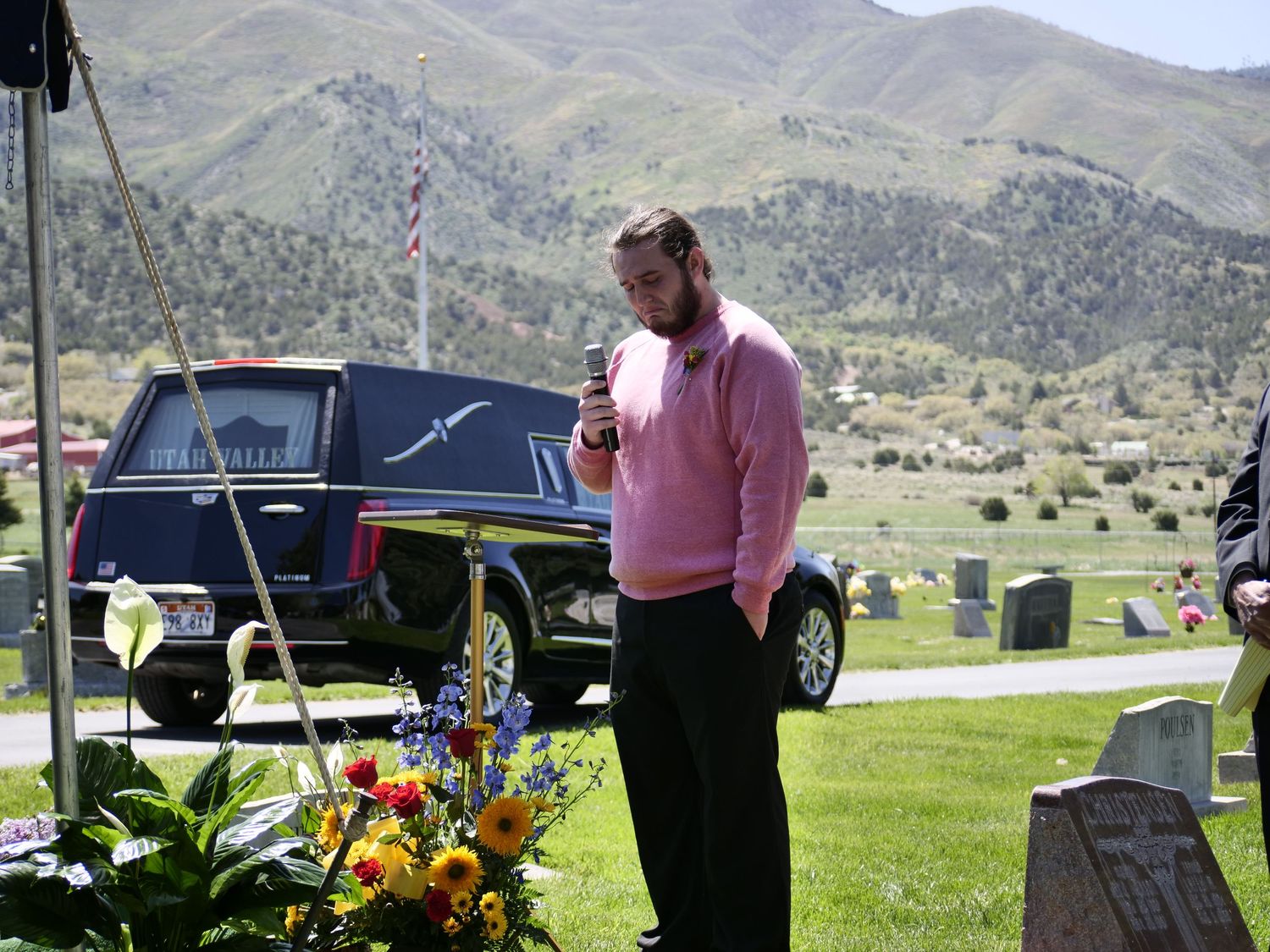
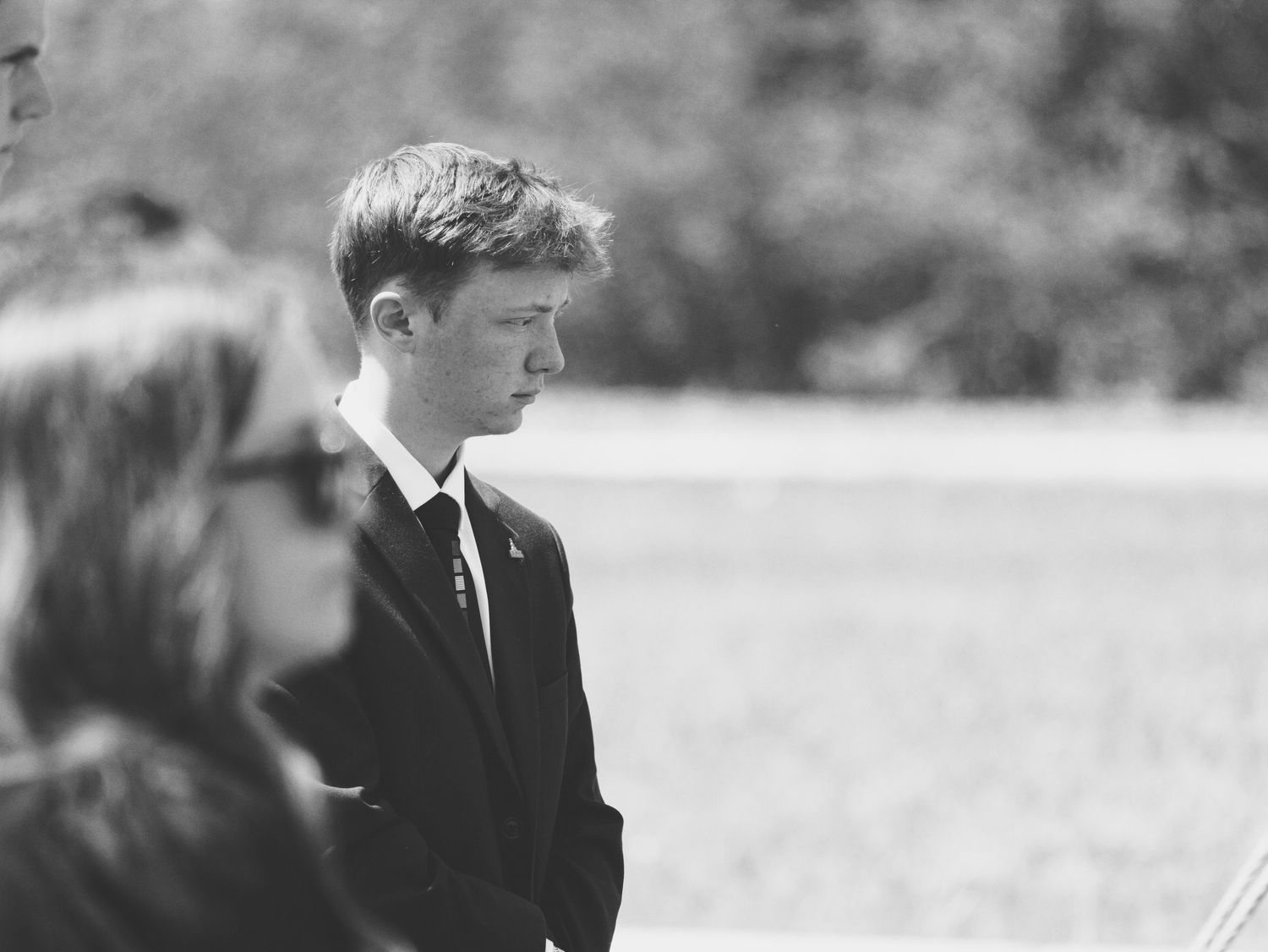
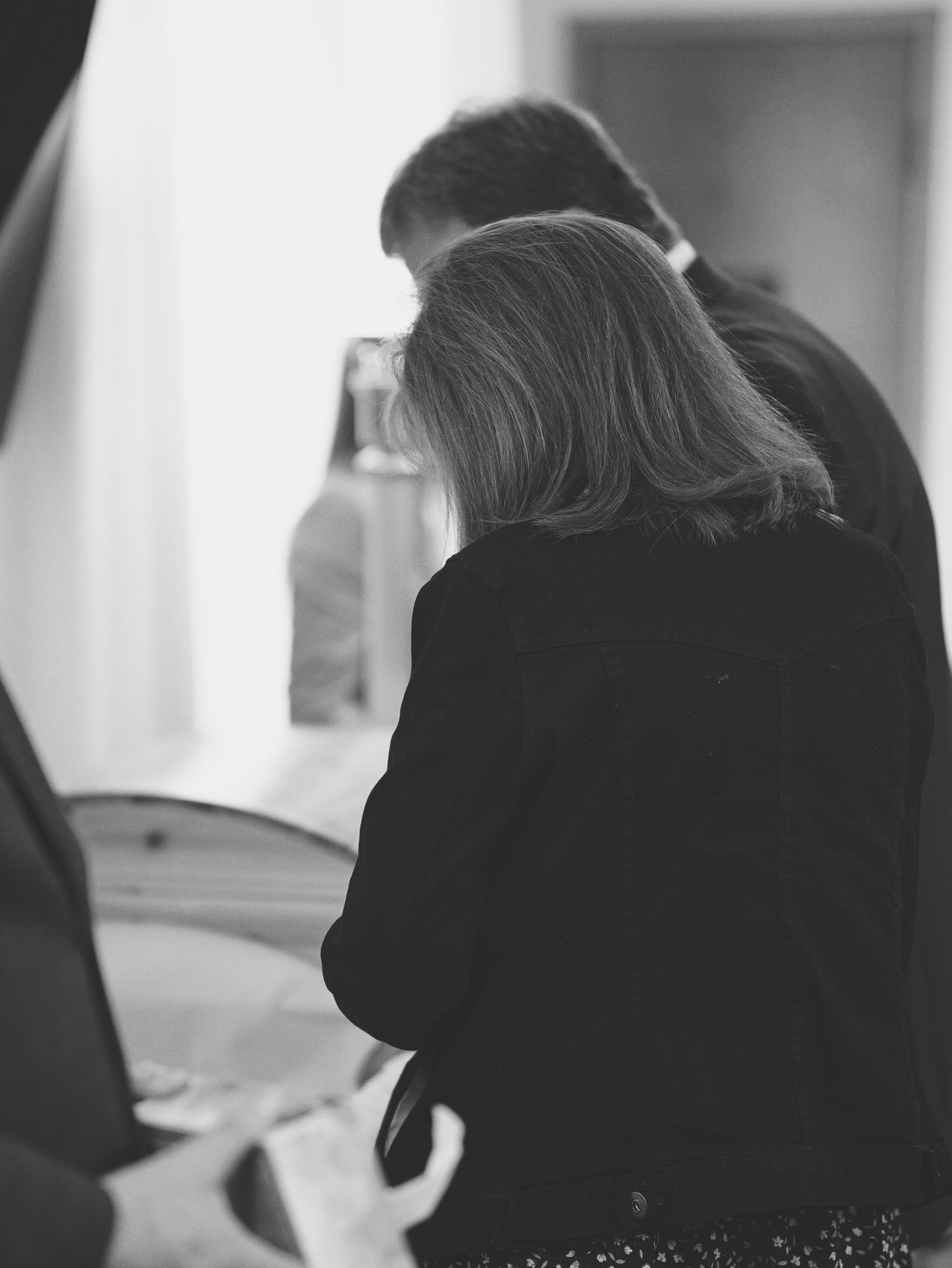
I realize that most people, when they imagine what I do when I say I photograph funerals, picture some type of caricature of an overly enthusiastic photographer hopping around like paparazzi with a big flash bulb getting in everyone's faces. And of course, that image is incongruent with something solemn like a funeral. So, let me paint a different image. This isn't a photo shoot, there isn't any posing, I'm not trying to direct people into groups, and I never use a flash. My purpose is to be discreet, unnoticed if possible. I want to be your eyes to capture the feelings of love, support, grief, joy, and reunion that happen all around at a funeral. You can only be in one place, talking to one or two people at a time, meanwhile, so many interactions you'll never see are creating a beautiful atmosphere of authentic connection. That's what I do. I save the feeling of the day, and all the tender moments.
Benefits of professional photography
A professional photographer is able to capture images while you are left free from distractions to more fully take part in the funeral proceedings. Have you seen people pull out their phones to take a selfie at an inappropriate moment? It can be pretty distracting. It interrupts the flow and takes others out of the moments that they should be having. Having a photographer can maintain the proper atmosphere.
There's the simple fact that a photographer is going to have better equipment, and knowledge, tools that can more artfully reflect the feeling and emotion on the day. A professional photographer will understand HOW to capture images that communicate how important and precious this difficult time is. There is a big difference between a selfie, and a discreetly captured, respectfully represented image.
Healing through images
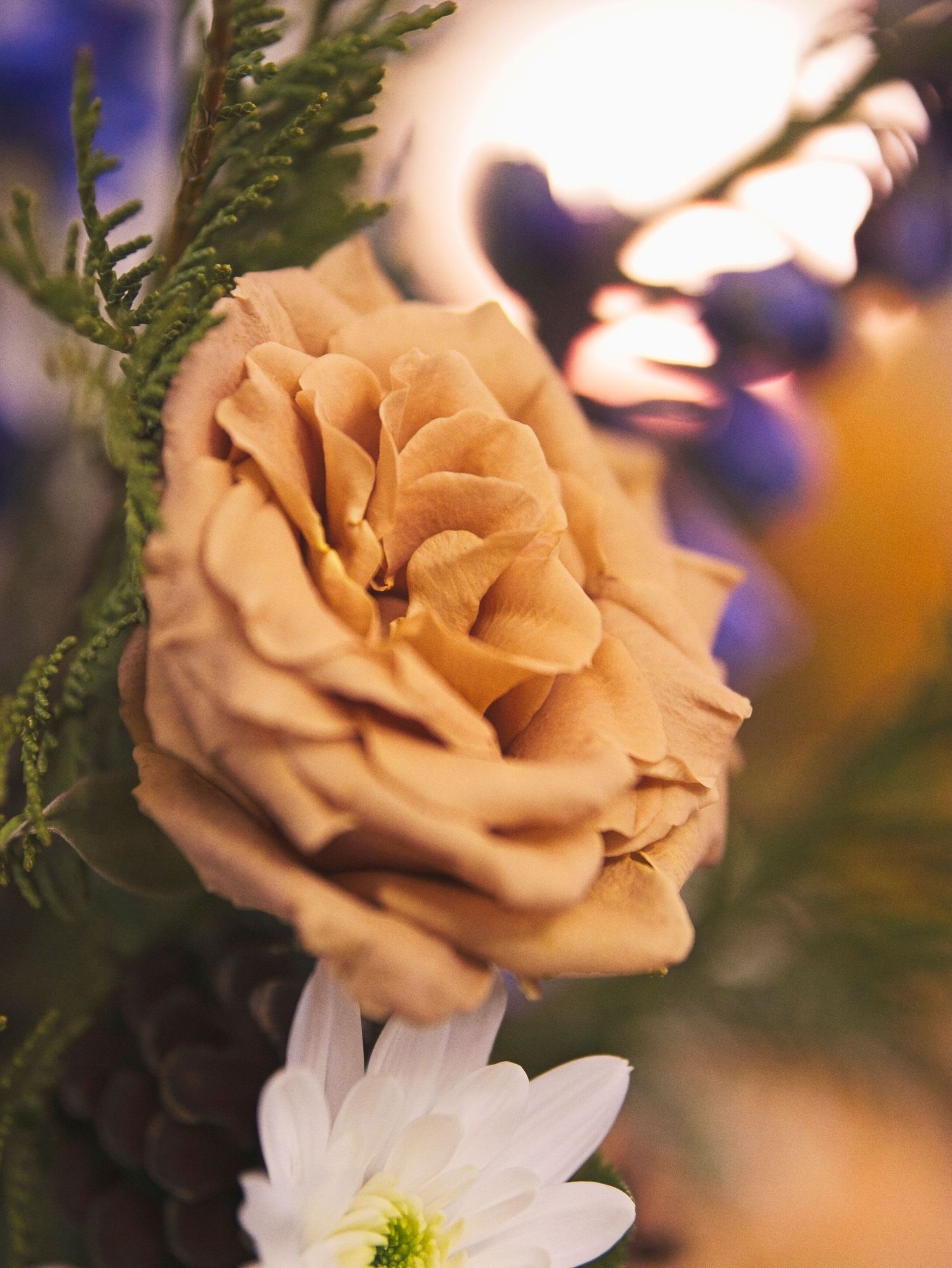
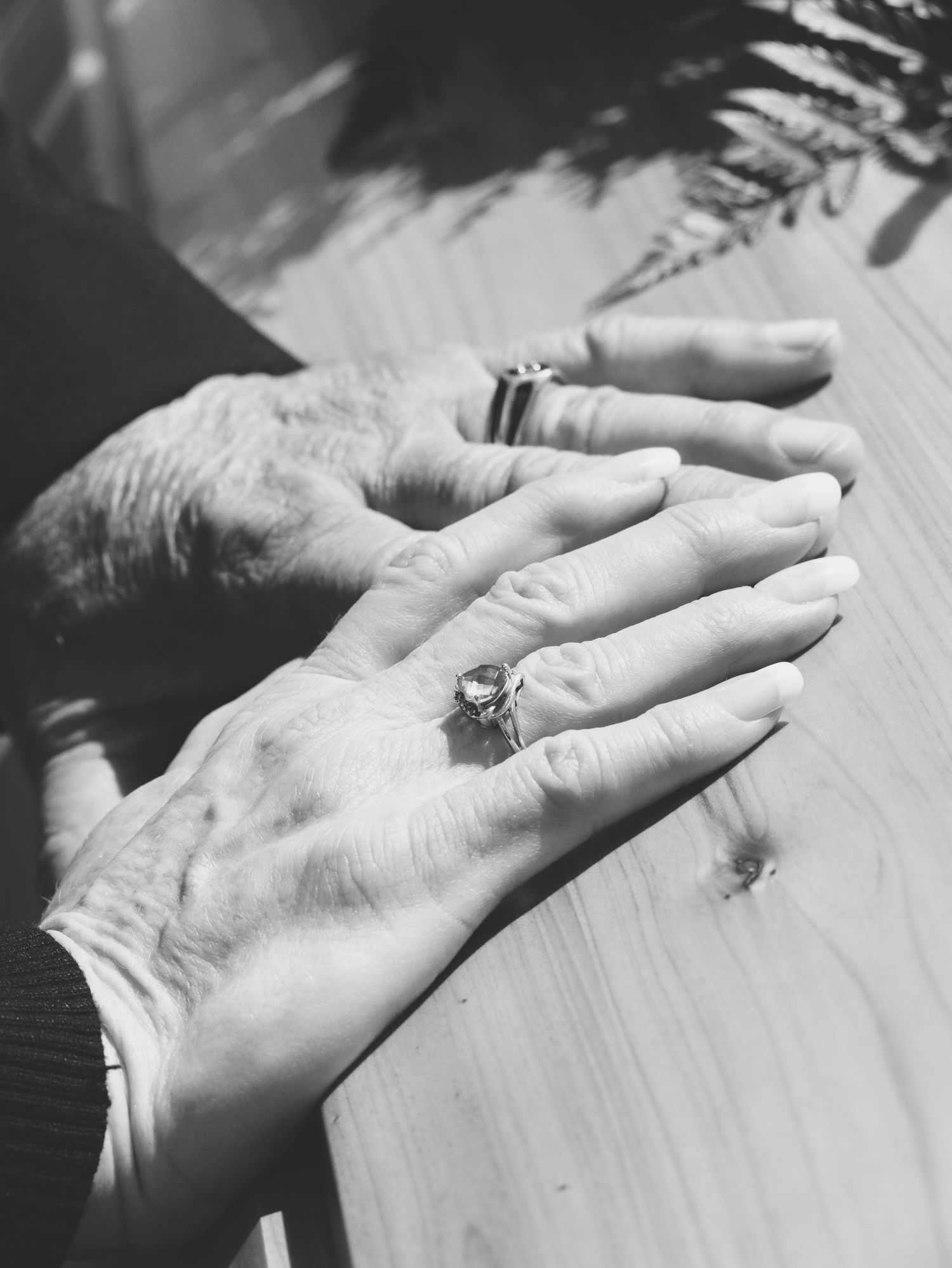
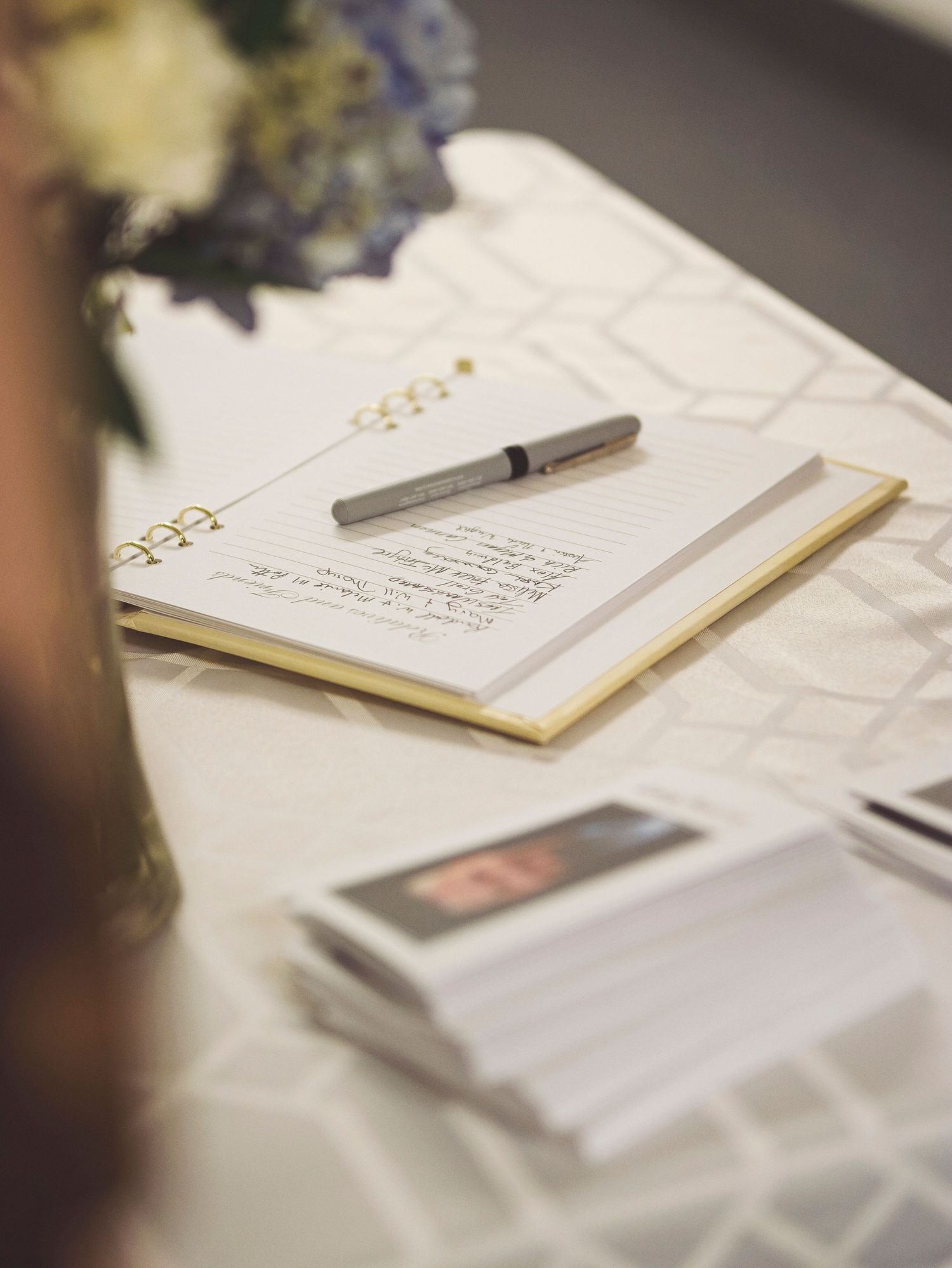
We each process grief differently. We each know a person differently. It's important to do things in a way that feels natural to you. Some will be ready to look at the images right away, for others, it may take a few weeks. My wife's cousin said she couldn't bring herself to look at them for 3 weeks, but when she did, she loved them, and told me they have become deeply important to her family. They have aided in her children's understanding of death and loss. No matter what timeline you require for healing, some day you are going to look back, and the day of the funeral will be fuzzy...Who came? What was said? I promise that a guest book isn't going to cut it to jog your memory. When I lost my sister, I couldn't really remember what happened or who was there. Being able to look at photographs that captured a moment in time, a moment between people, the love and support there, that can transport you back into those moments. Life demands that you get back up to full speed right away. It can feel like you don't get enough time to process your feelings, it can feel like you are forgetting them, not giving them enough of your attention when this happens. The images I capture from the day allow you to take that time, fully recall your feelings, and process your grief. And later, down the road, the memory will dim whether we want it to or not. Cherished moments captured in photographs preserve the memory.
When you lose someone close to you it leaves a hole, and that pain can stay fresh for a long time. Here's why I think funeral photography matters: Seeing who came, glimpsing these moments of reflection, joy, sorrow, and support, can be healing. These moments show you that you weren't alone. After the funeral, when everyone is gone and now you are trying to figure out how to find some sense of normalcy, you will have many days where you feel that sense of loss and loneliness creep up and hit you. That can leave you feeling completely lost and unable to move forward with your day. The grief can be debilitating and overwhelming. In moments like that, you could do with a lifeline. Poignant images, discreetly captured, shows you that there are many who supported you, and that means they still do.
The Role of the Photographer
As the photographer, I am there to document the events, interactions, emotions, and special moments of the event. My role is to stay out of the way of the proceedings, but also to integrate into the gathering seamlessly. My goal is to avoid distracting from the moments as they happen. In order to do this properly it is important to have complete communication between us. The really important cultural or religious requirements will have been discussed in our preliminary meeting, so you can express those things to me when you hire me. Nothing distracts service goers more than to have someone crossing lines of propriety, this communicates disrespect and detracts from the proper mood. Compliance with your expectations is in the forefront of my mind as I consider what to capture. In an effort to lesson any distraction I may pose to those that are unaware, I recommend that the family mention that there will be a photographer present in the announcement in a simple line like "Photography coverage by Mourning Dove Photography" or "We have hired a photographer to save precious memories of the day". This can quickly help those in attendance understand what I'm doing.
On the day of the funeral, I get the chance to make more of the family aware of me and what I am there for. I tell the family that I am there for them, not me, and that they should simply act like I'm not really there. The purpose is to capture the authentic moments and emotions. These images will not be for me or the world, but for you and yours. Now, if the family doesn't want that moment to be captured, they have every right to say that, and it is my job to do as the family wishes. Whatever they want me to capture I will do everything in my power to capture. If they want me to avoid certain things, I will. I will always try not to draw attention to myself, but there may be instances, due to the available space in the room, where I may be blocking the view of someone. I make sure to explain that I am there to get the important moments and that means they do not need to get out their cell phones or crowd around. They also don't need to look at the camera and smile but simply be present in the moment and take their time when moving up to the casket when saying their final farewells. There is a tendency for people to be stiff and move too quickly when they feel watched. I will try to be as discreet and out of the way as possible and use zoom lenses where I can.